Key takeaways
- Every school has a responsible person under the Fire Safety Order, and they must appoint competent people to help them.
- Competency is about skills, knowledge, experience and behaviours, not just a qualification.
- Your fire risk assessment must be suitable and sufficient, recorded in full and reviewed regularly.
- Tolerable risk keeps the actions proportionate, so your budget goes where it’s needed.
- The actions in your fire risk assessment need doing, evidencing and maintaining.
In this article
The elephant and the hill
When you’re trying to introduce a difficult task, or trying to make change in an industry or business, you’re going to come up against various amounts of difficulty. This I call pushing an elephant up a hill.
The elephant can vary in size, depending on how complex the task is, how much it costs and how difficult it is to make it understandable.
The hill I think of as the resistance to the task itself. That resistance can come from stubborn people refusing change, denial that it’s required, resistance to spending the necessary budget and egos. Without the right support, getting the elephant to the top is extremely difficult, if not impossible.
What they don’t need is more government guidance, which just causes more confusion. They need a definitive, clear framework and plan.
 David HarrisOperations Director, Pritchard Group
My elephant
My elephant is huge, stubborn and grumpy. The hill is wet, steep and long.
One year ago, I started my journey into understanding how to be compliant when refurbishing schools. It’s been a difficult, heavy subject, with lots of twists and turns. Pritchard Group is now in a strong position to make the client and ourselves defensible in a court of law.
Your elephant
The next stage is to help schools realise they’ve got their own elephant, and it’s big and heavy. I’ve met many business managers and facilities managers who understand the elephant exists, but they don’t know where to start. What they don’t need is more government guidance, which just causes more confusion. They need a definitive, clear framework and plan. With our support, we can help push that elephant up the hill, and together we can make that hill more achievable.
Where to start
Under the Regulatory Reform (Fire Safety) Order 2005, every school has a responsible person. This could be the trust, the local authority or the governing body. Responsibility can also fall on anyone who has control over the premises, and that can include the person who controls the fire safety budget.
The starting point is that the responsible person needs to employ a competent person to produce a fire safety strategy, unless your school already has one that’s still valid for how the school is used today. This sets out how your school building is designed to keep people safe if there’s a fire. That covers how everyone gets out, how the fire is stopped from spreading, how the alarm works and how the fire service gets in. The risks themselves are then looked at in your fire risk assessment.
Competency has always been difficult to evidence, but since Grenfell, the British Standard for fire risk assessor competence (BS 8674) has set out that it should be judged on skills, knowledge, experience and behaviours. Under Article 18 of the Fire Safety Order, the responsible person must appoint competent people to help them meet their fire safety duties, and it’s down to them to evidence that competency. This applies to everyone you employ, whether for your fire safety strategy or your fire risk assessment. Think of it like a CV. Their competency isn’t just about a qualification. It’s also about their experience in the work, and evidence of behaviour, which could come as references from similar schools they’ve worked with.
For the responsible person, the key question is simple: have you selected a competent person? Pritchard Group can provide fire risk assessors whose competency is evidenced, and give you the evidence to show you’ve chosen well. We can stand up in court and defend the competency of the individuals employed.
Getting your fire risk assessment right
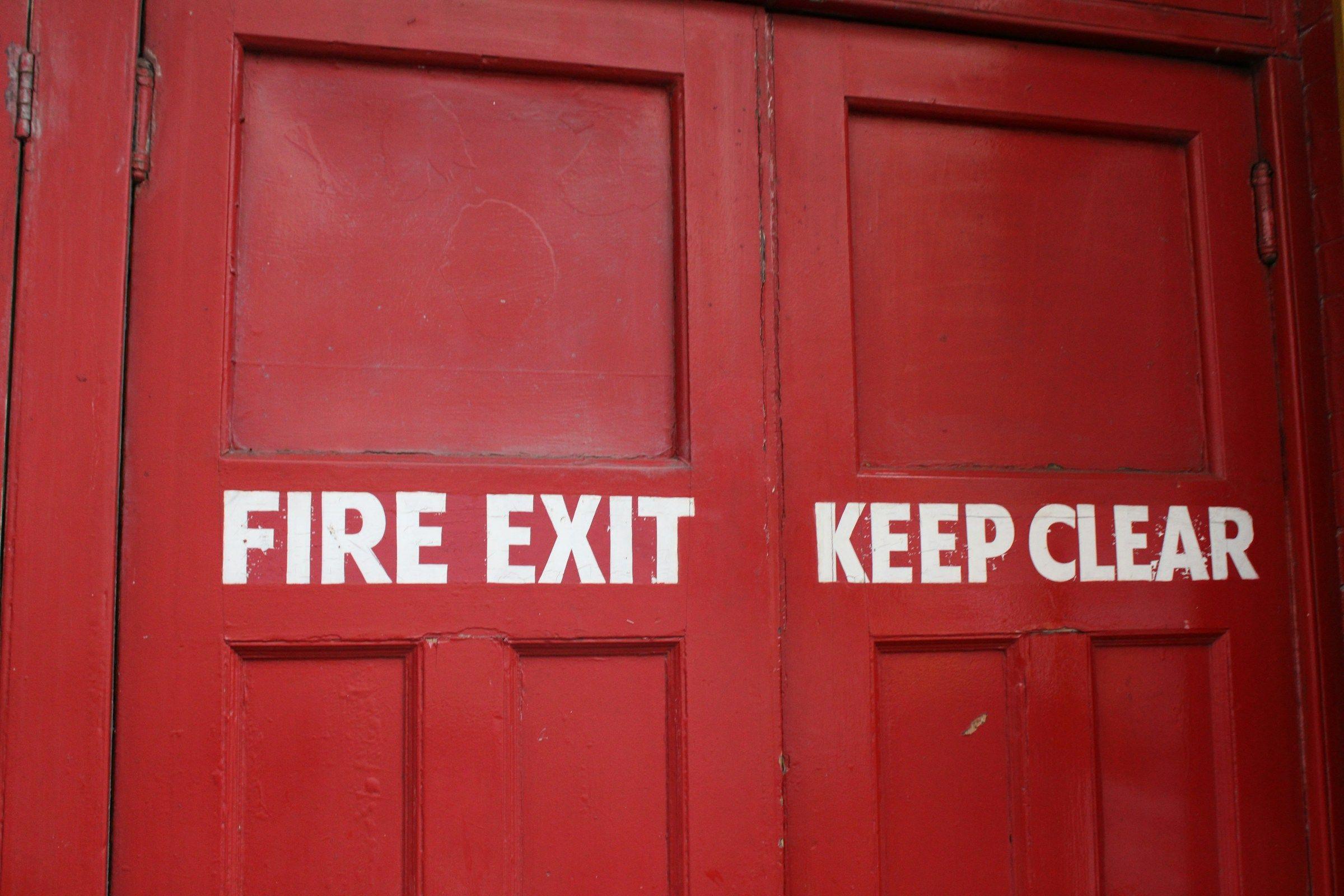
Under Article 9 of the Fire Safety Order, the responsible person must have a suitable and sufficient assessment of the fire risks to people in the school. A competent fire risk assessor will carry this out for you. It identifies the fire risks, who’s at risk and how quickly and safely everyone can get out. It checks that your escape routes are protected from fire and your exits are clear, and it recommends what needs doing where they’re not. Since October 2023, Section 156 of the Building Safety Act 2022 also requires the assessment to be recorded in full, along with the name of whoever carried it out.
The fire risk assessment then gives you a set of actions and a strategy for your life safety systems. This covers Article 17, which requires the responsible person to keep those systems, such as fire doors, alarms and emergency lighting, maintained and in good working order.

I often find two problems with existing fire risk assessments in schools. The first is that tolerable risk hasn’t been used, so the assessment asks for far more than is needed. Tolerable risk means bringing the risk down to an acceptable level, not spending money removing every risk imaginable.
The second is that the actions don’t get done. Sometimes the school believes that having the fire risk assessment means the job’s done, and doesn’t realise there are actions within it. Or they’re overwhelmed by the volume of actions, don’t have the budget, or don’t know where to go to get them fixed.
Pritchard Group tackles both.
First, our fire risk assessors use tolerable risk, so they won’t ask your school to do any more than it needs to become compliant. We won’t make you change every single door, or rip out and rebuild the compartmentation and fire stopping above every wall, unless it’s required. Being defensible also means not changing things for no good reason, so your budget is used economically.
Second, we don’t just give you a fire risk assessment with a list of actions and leave you to it. We support you in getting those actions done.
Top of the hill
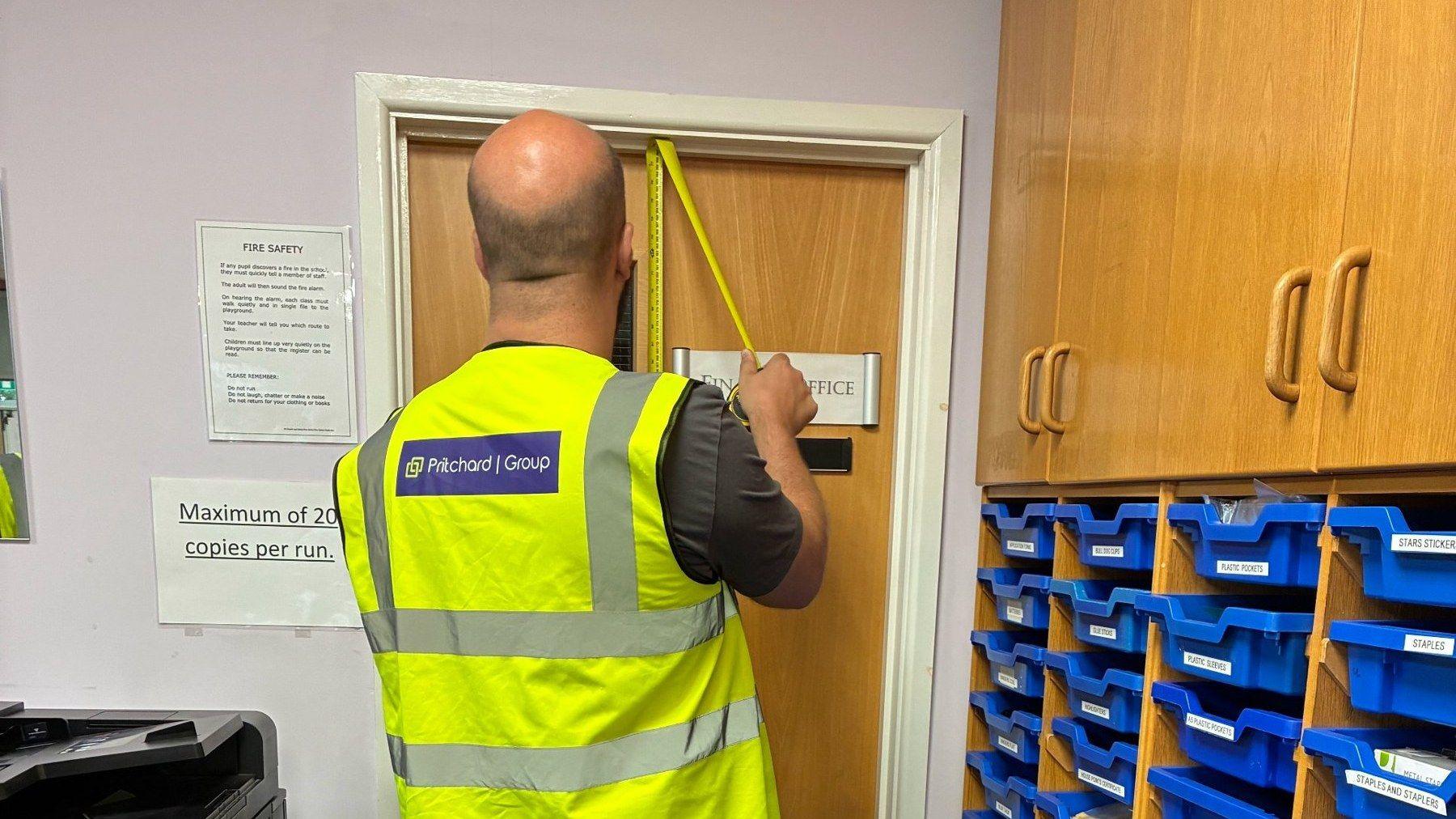
We hold your hand through the decisions. We create a programme of actions in order of importance, then help you get the right contractors in to do only the necessary works. Everything that’s done is evidenced and handed to the responsible person at each stage.

Once the works are done, we can set up a maintenance schedule for your fire doors, compartmentation and other life safety systems, keeping you in line with Article 17. We can also schedule your fire risk assessment reviews, as Article 9 requires. Whatever the critical systems at your school, we can help you monitor, plan, action and review them.
So by the end, you understand what your elephant is, and that steep, wet hill has become a bump. The resistance is minimal, because every decision made is defensible in a court of law. That means if anybody says no, they’d need to evidence why they’re saying no. And you can sleep at night knowing you’ve done what you needed to do to protect the children in your school.
Frequently asked questions
Who is the responsible person for fire safety in a school?
It depends on the type of school. It’s usually the employer, which could be the academy trust, the local authority or the governing body. Anyone else with control of the premises also has duties, to the extent of that control.
Does a school’s fire risk assessment have to be written down?
Yes. Since October 2023, every responsible person must record the fire risk assessment in full, along with the name of whoever carried it out.
How often should a school’s fire risk assessment be reviewed?
Article 9 requires it to be reviewed regularly and whenever there’s reason to think it’s no longer valid, such as after building work or a change in how the school is used.
Sources and further reading
- Regulatory Reform (Fire Safety) Order 2005 (legislation.gov.uk)
- Building Safety Act 2022, section 156 (legislation.gov.uk)
- Fire safety risk assessment: educational premises (gov.uk)
- Check your fire safety responsibilities under Section 156 (gov.uk)
This article is general guidance based on our experience and the published sources above. It is not legal advice. Always check the current regulations and guidance for your project.